The real cost of my Kanchenjunga trek
When people ask me how much this trek cost, they usually expect a single number.
For me, it was around 10 000 USD in total.
But after several treks in Nepal, I realized the more interesting question is:
where does this money actually go?
Kanchenjunga was my fifth trek in Nepal in the last two years. During my first trek, with an organized group, I had almost no idea how trekking prices were constructed. And honestly, it is surprisingly difficult to find detailed information online.
Most people compare trekking agencies mainly by price. I did the same. But over time I started paying more attention to the people behind that price: guides, porters, drivers, lodge owners, and many others whose work makes these journeys possible.
That led me to a more uncomfortable question:
How do we think about fairness when the trip is affordable precisely because the people making it possible earn far less than we do?
I do not have a perfect answer. But during this trek, I started thinking much more carefully about where my money goes, what I personally consider fair, and what kind of tourism I want to support.
In this article, I break down how much I spent during my Kanchenjunga trek, where I saved money, where I consciously decided not to save, and why.
1. Why Kanchenjunga?
Every new trek begins long before the first step on the trail.
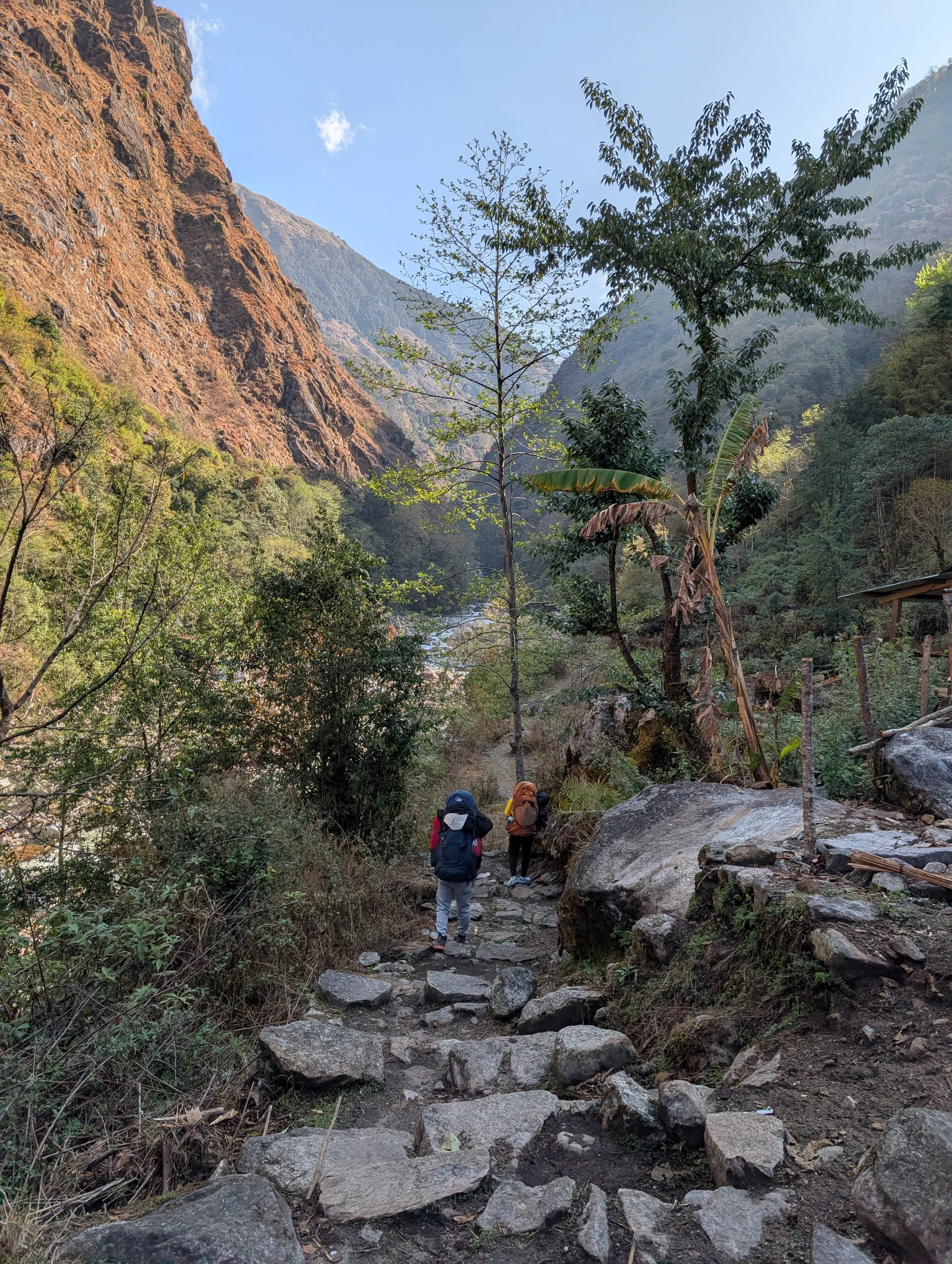
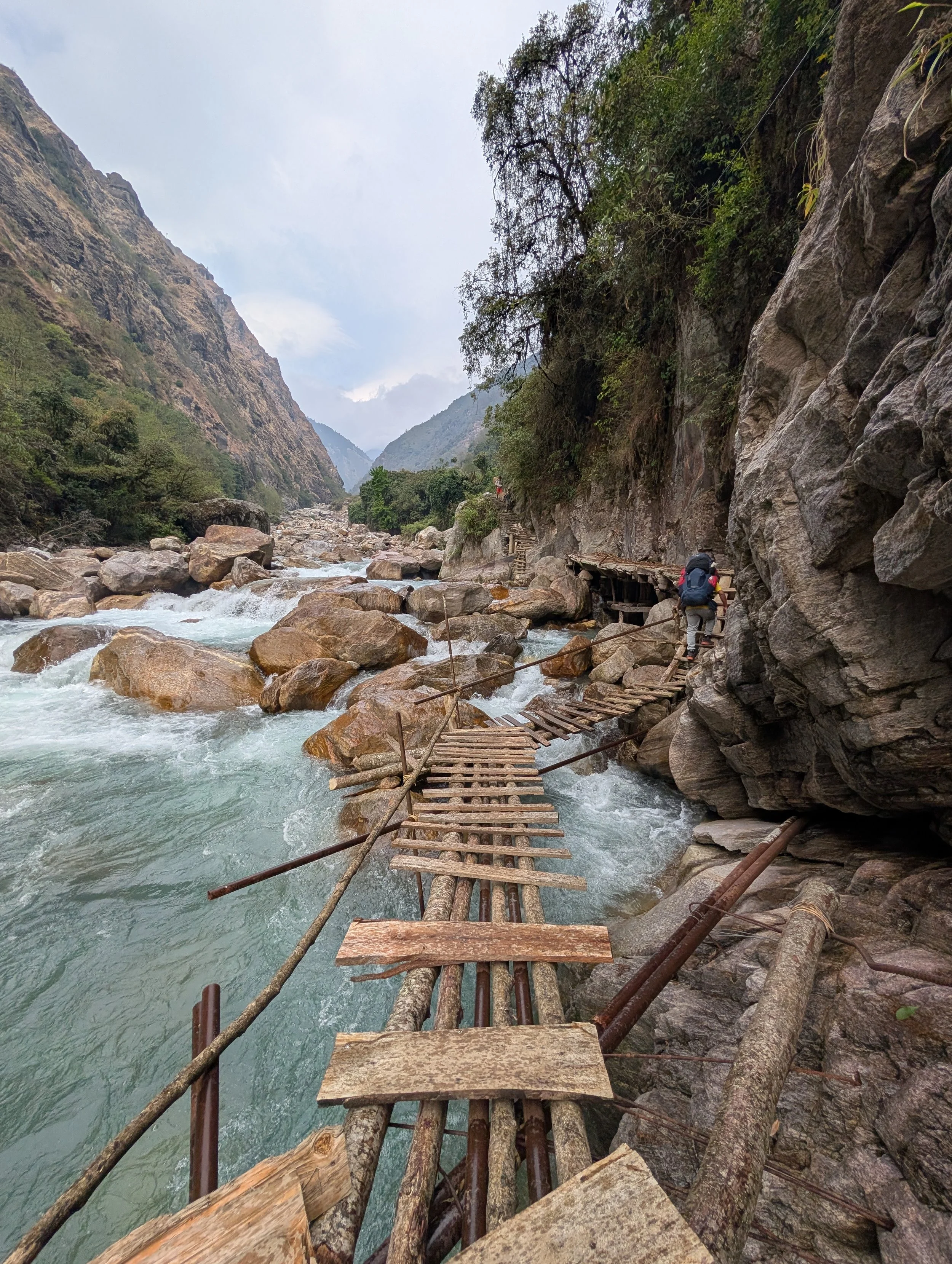
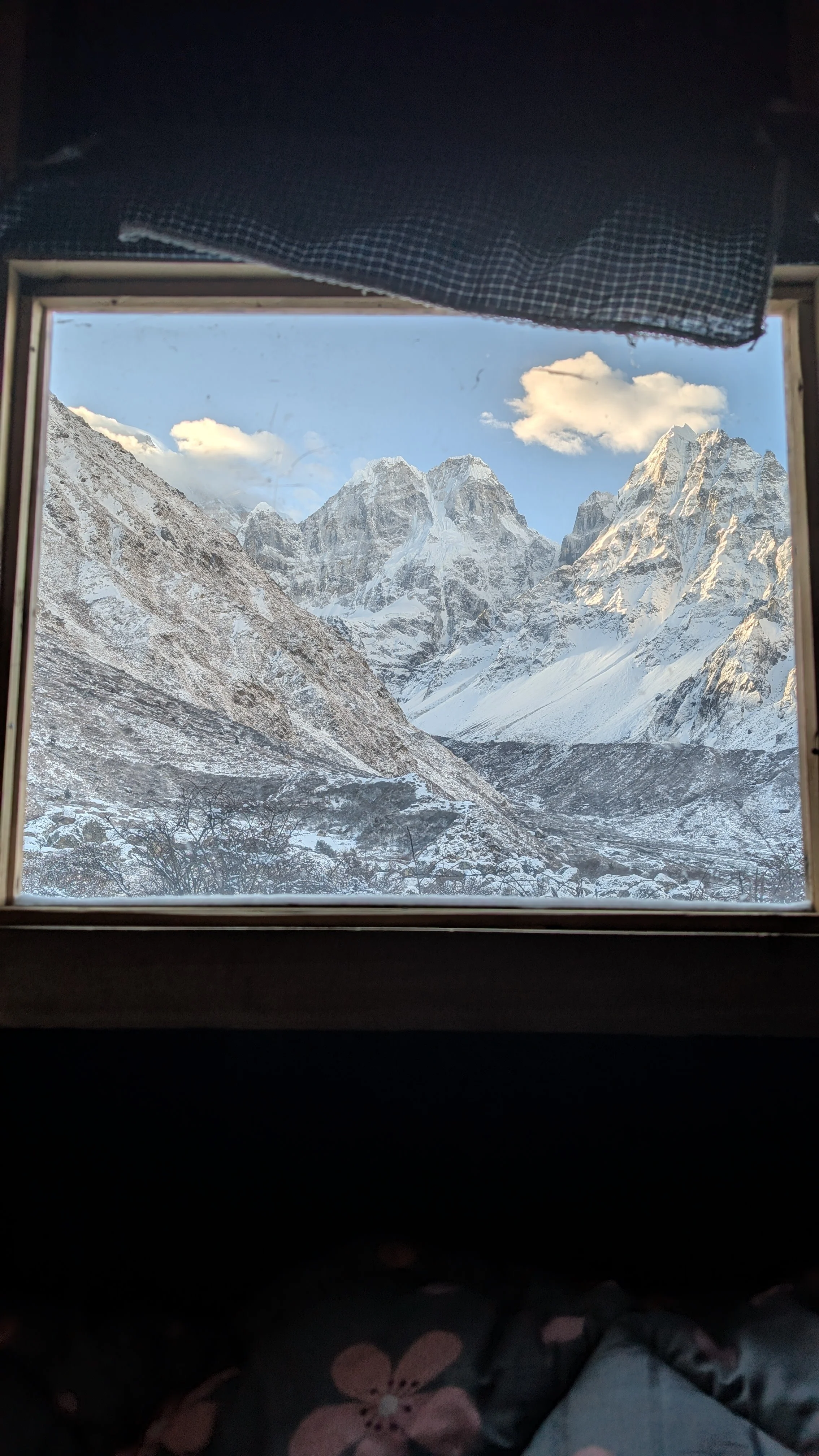
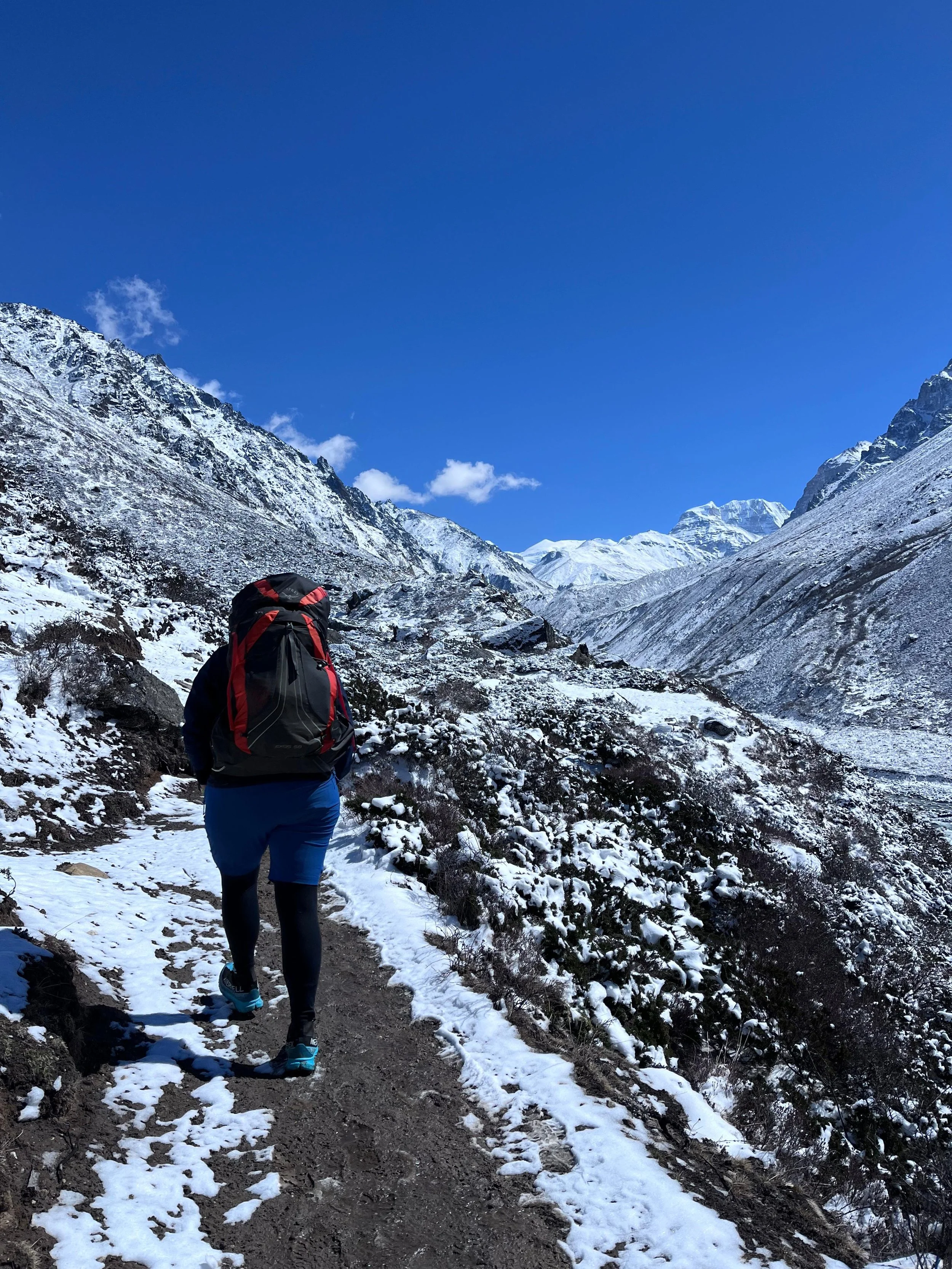
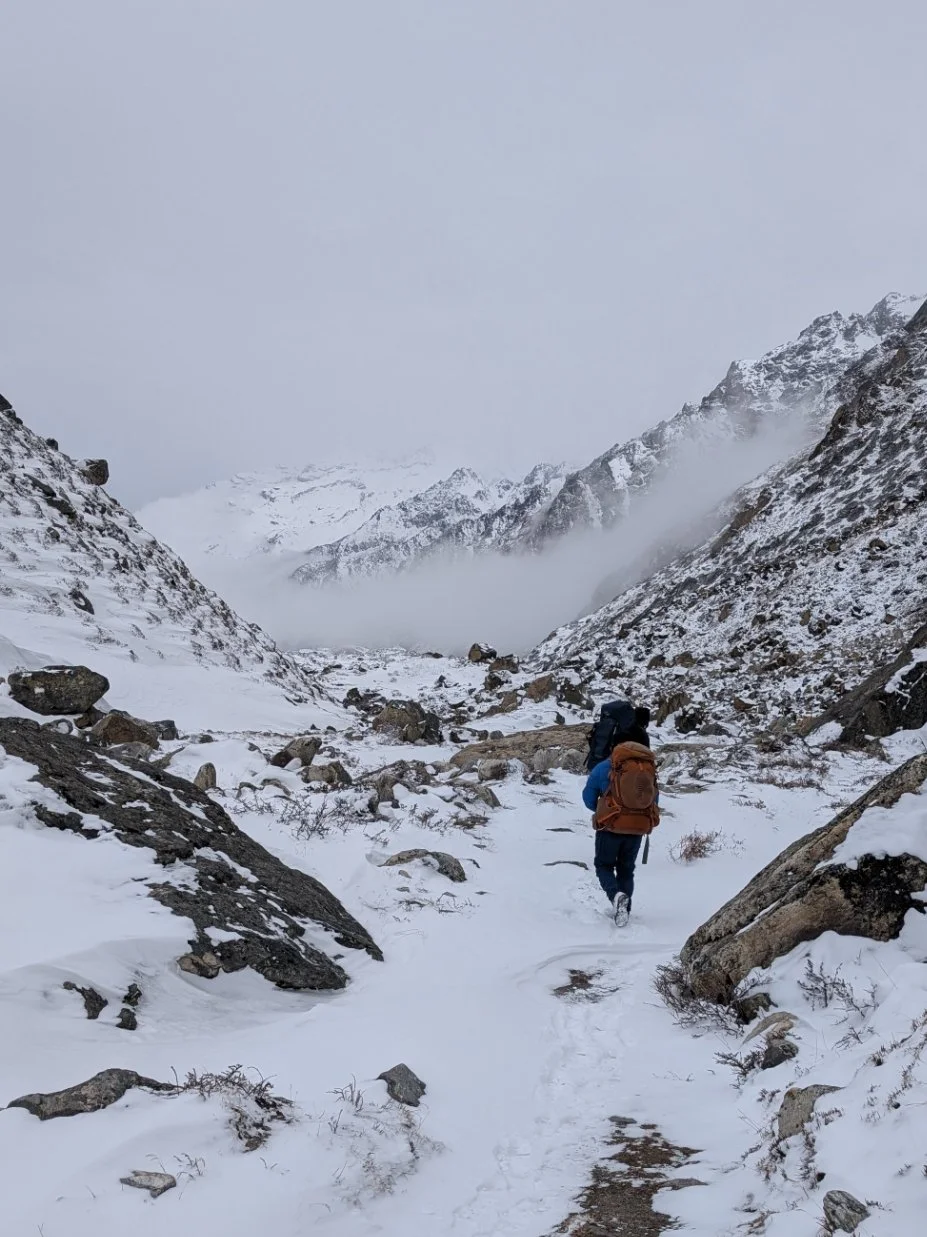
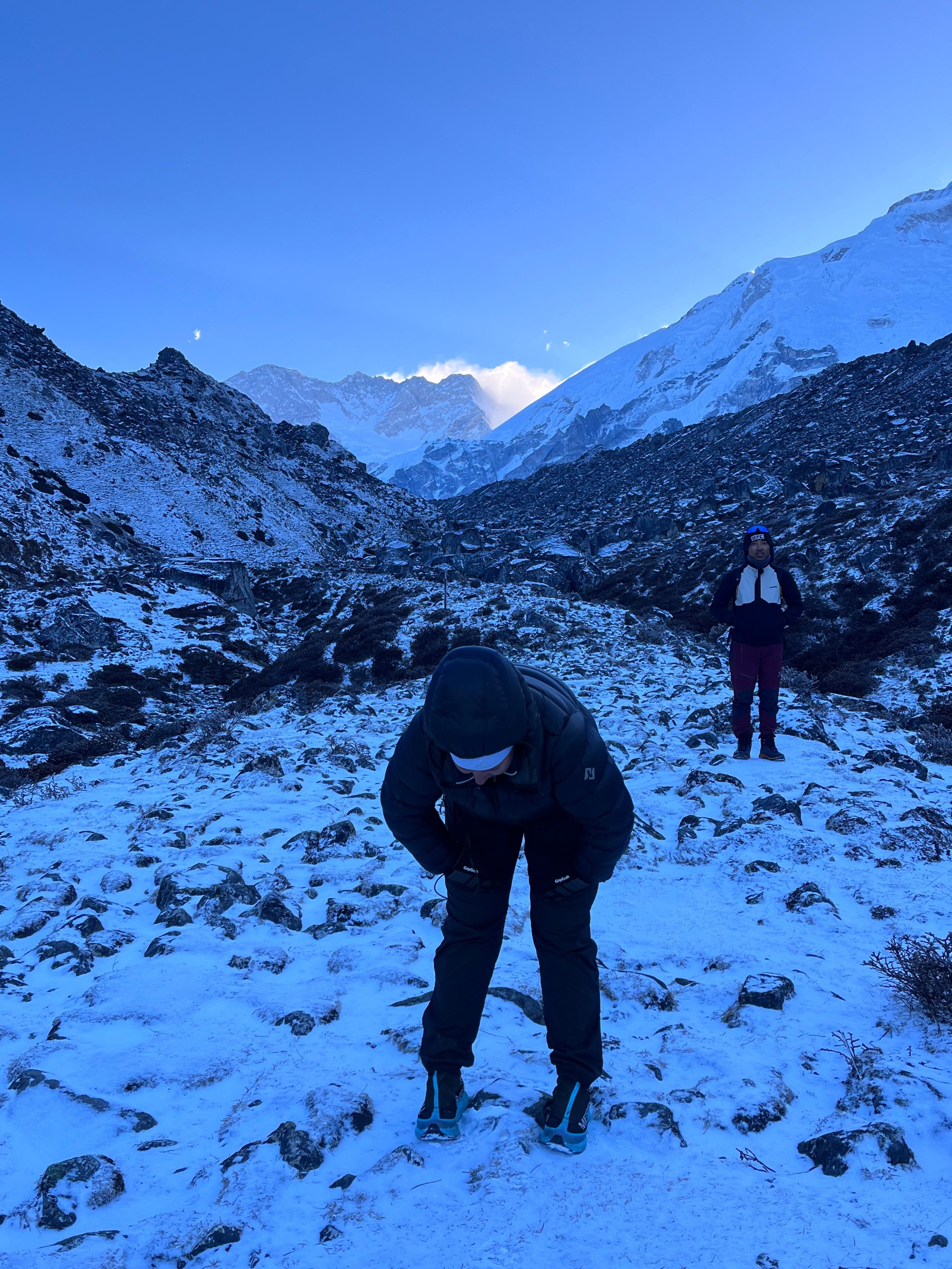
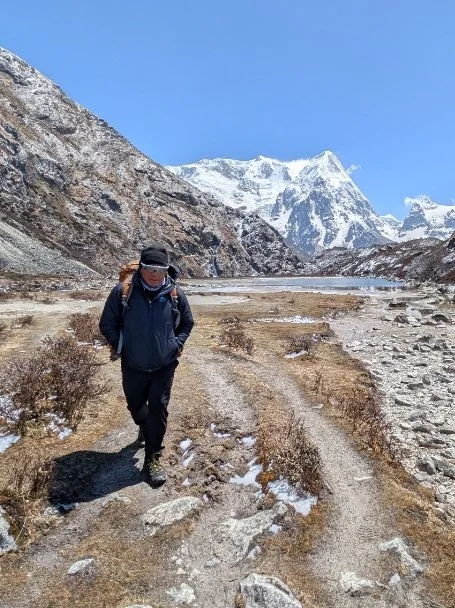
Kanchenjunga is one of the most remote trekking regions in Nepal, in the far eastern part of the country near the borders with India and Tibet.
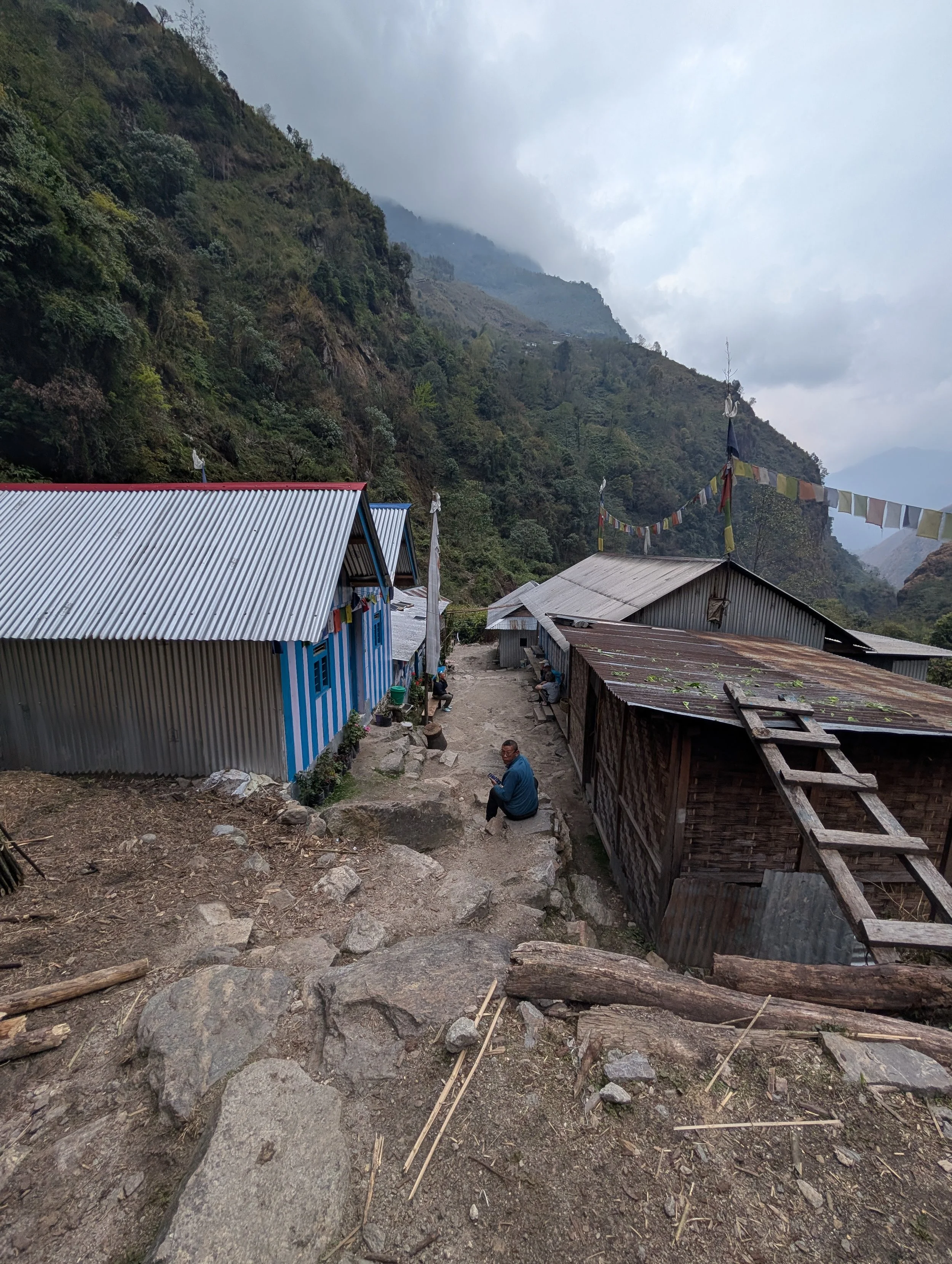
Compared to Everest or Annapurna, there are almost no crowds, little infrastructure, long sections without roads, and villages that still depend on supplies carried manually through the mountains.
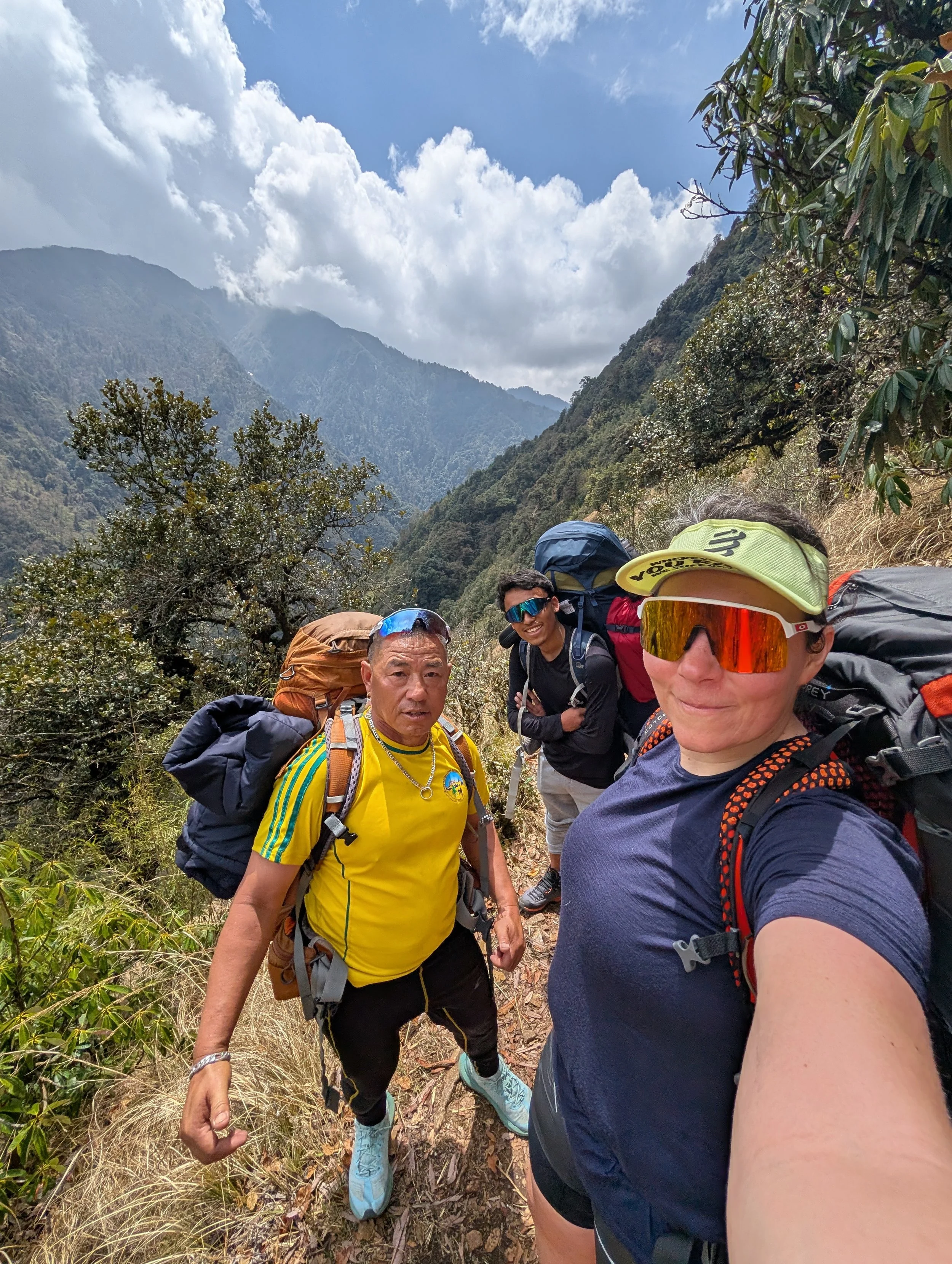
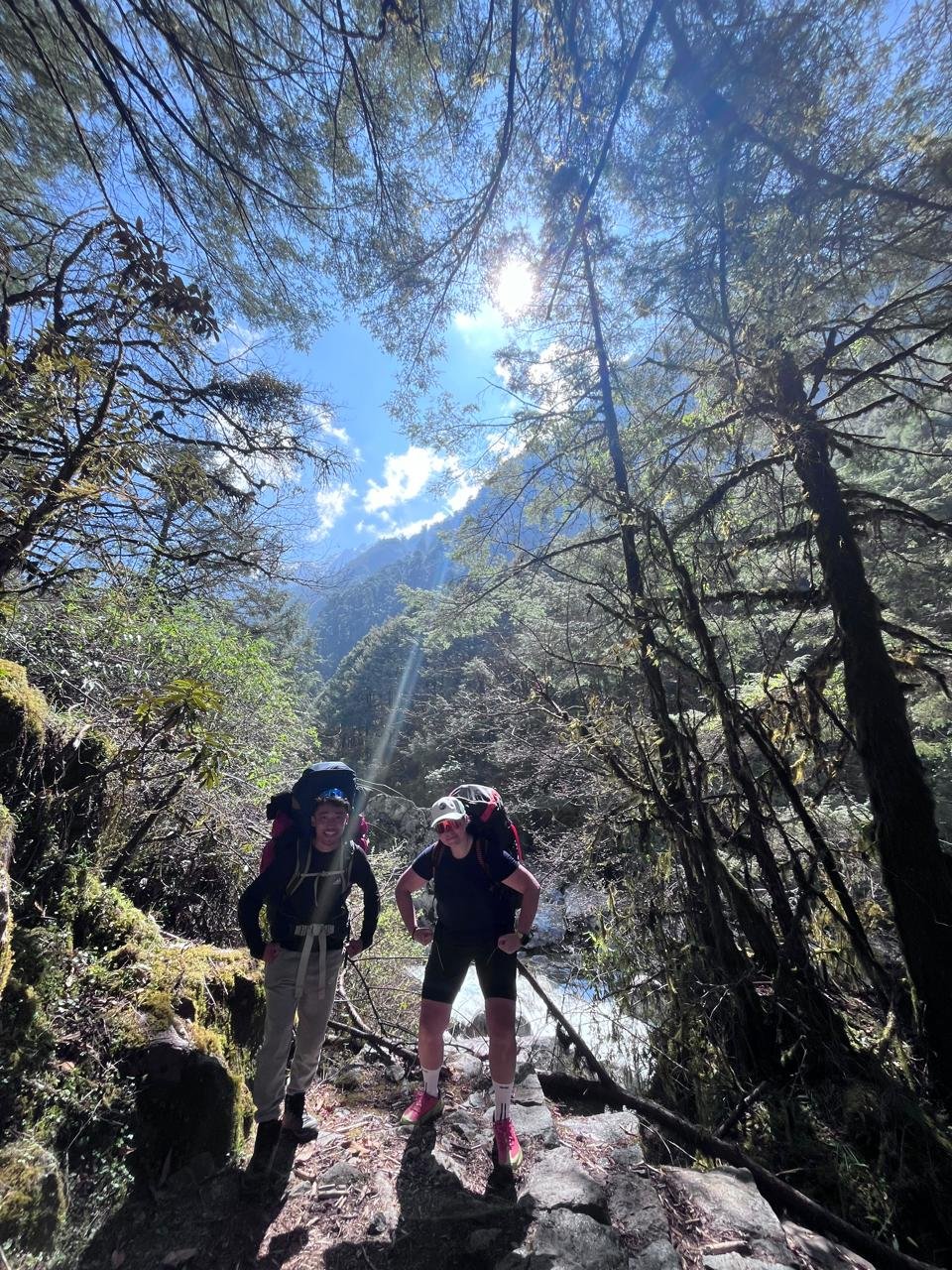
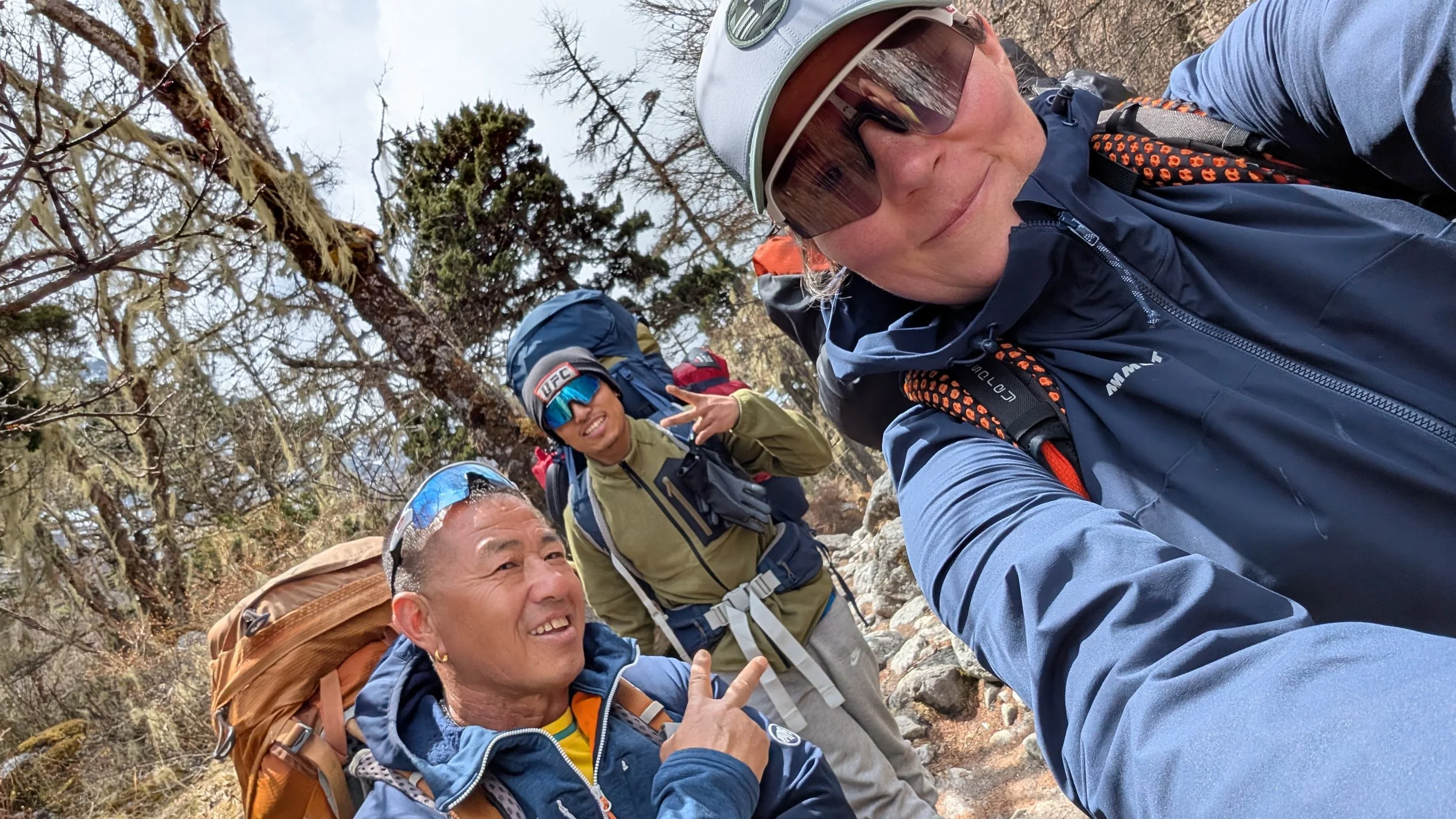
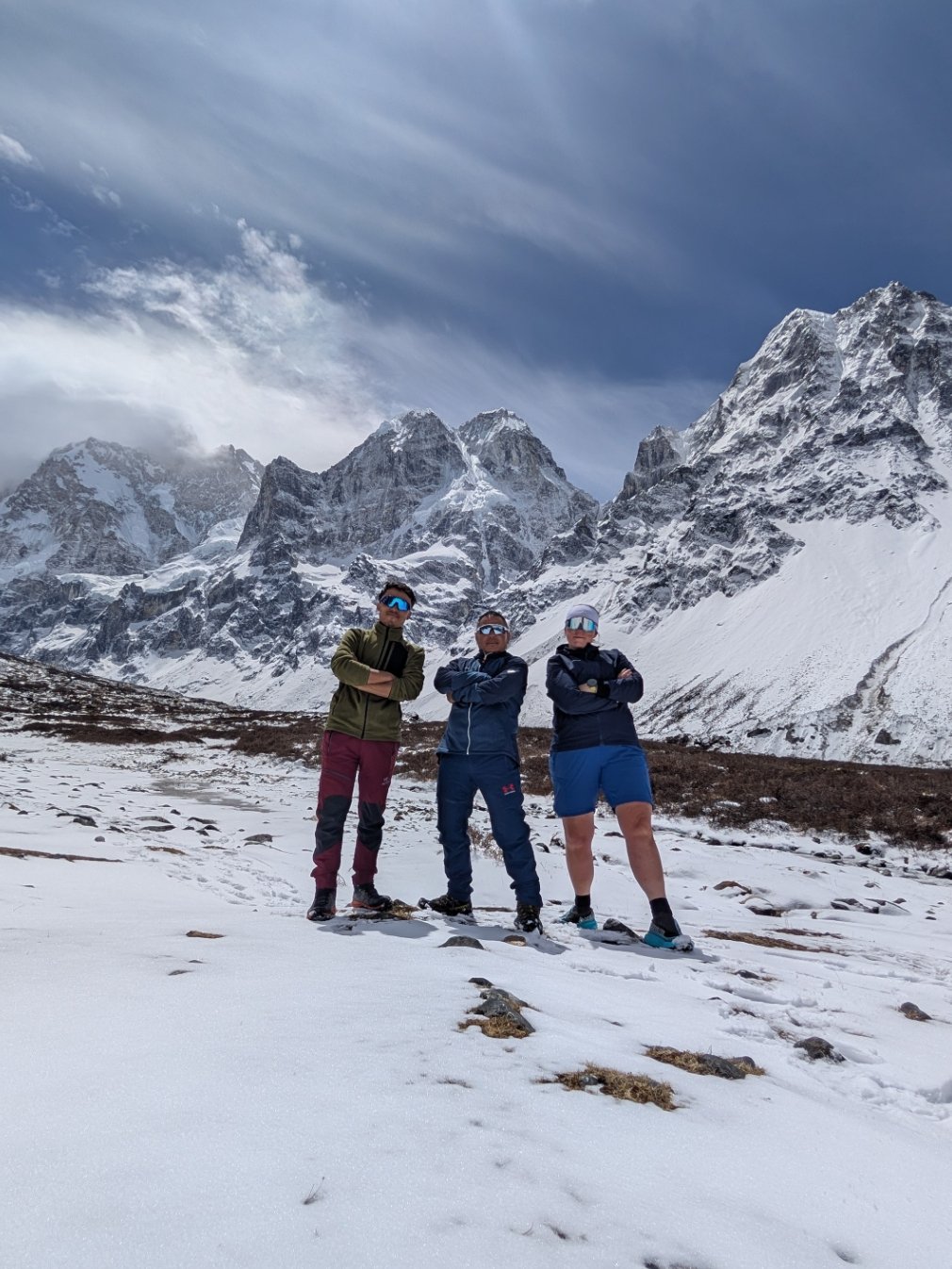
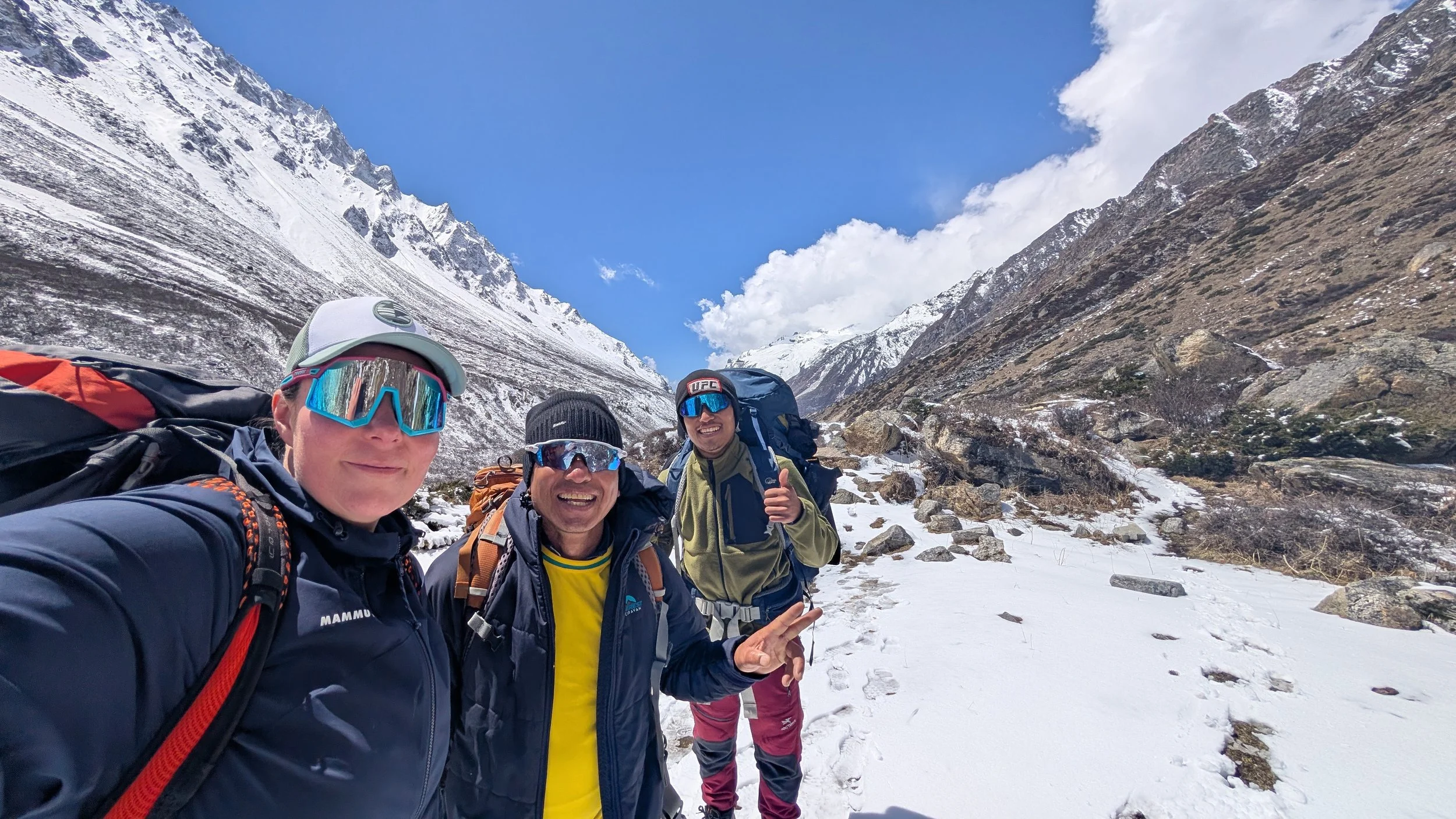
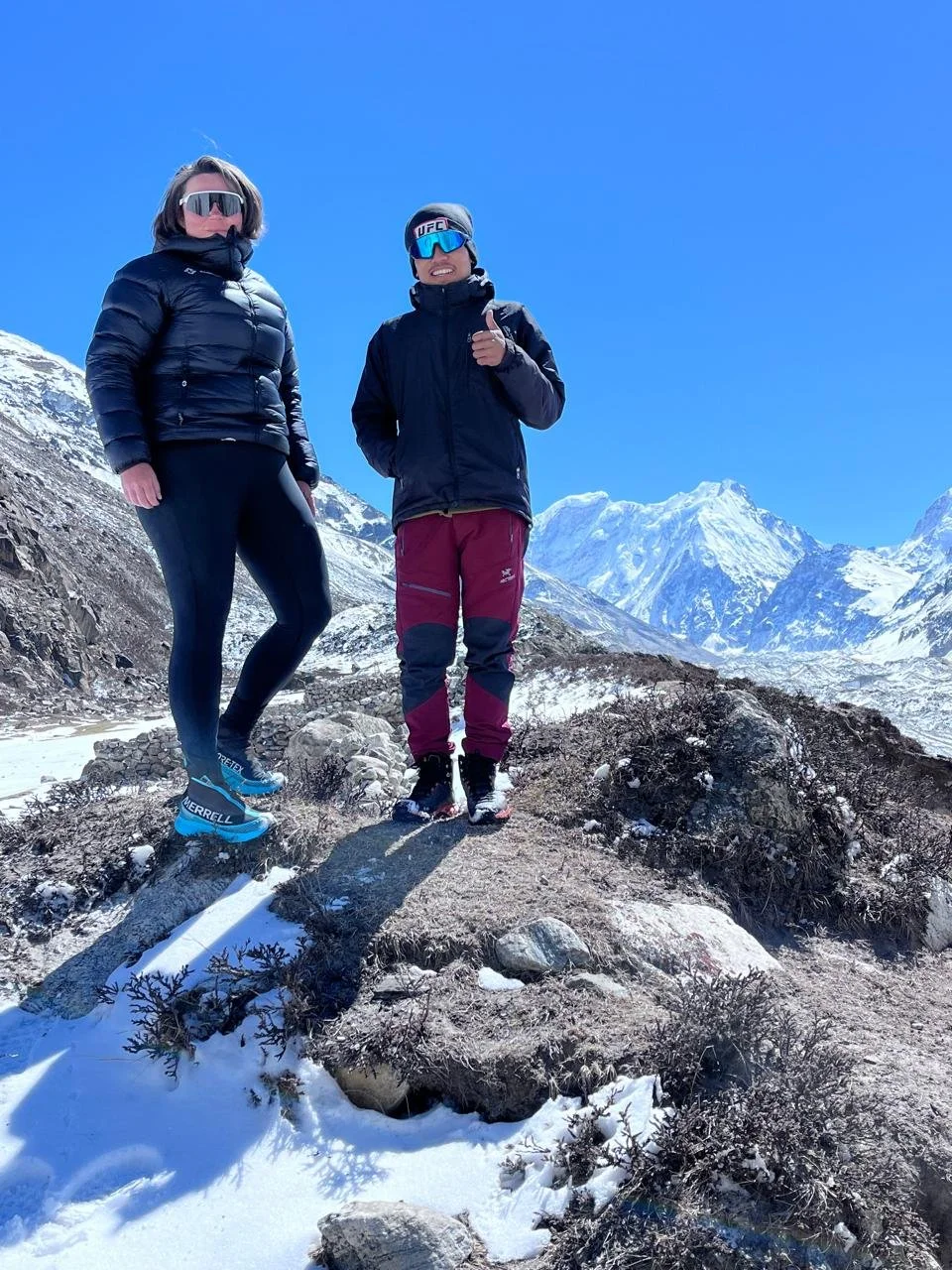
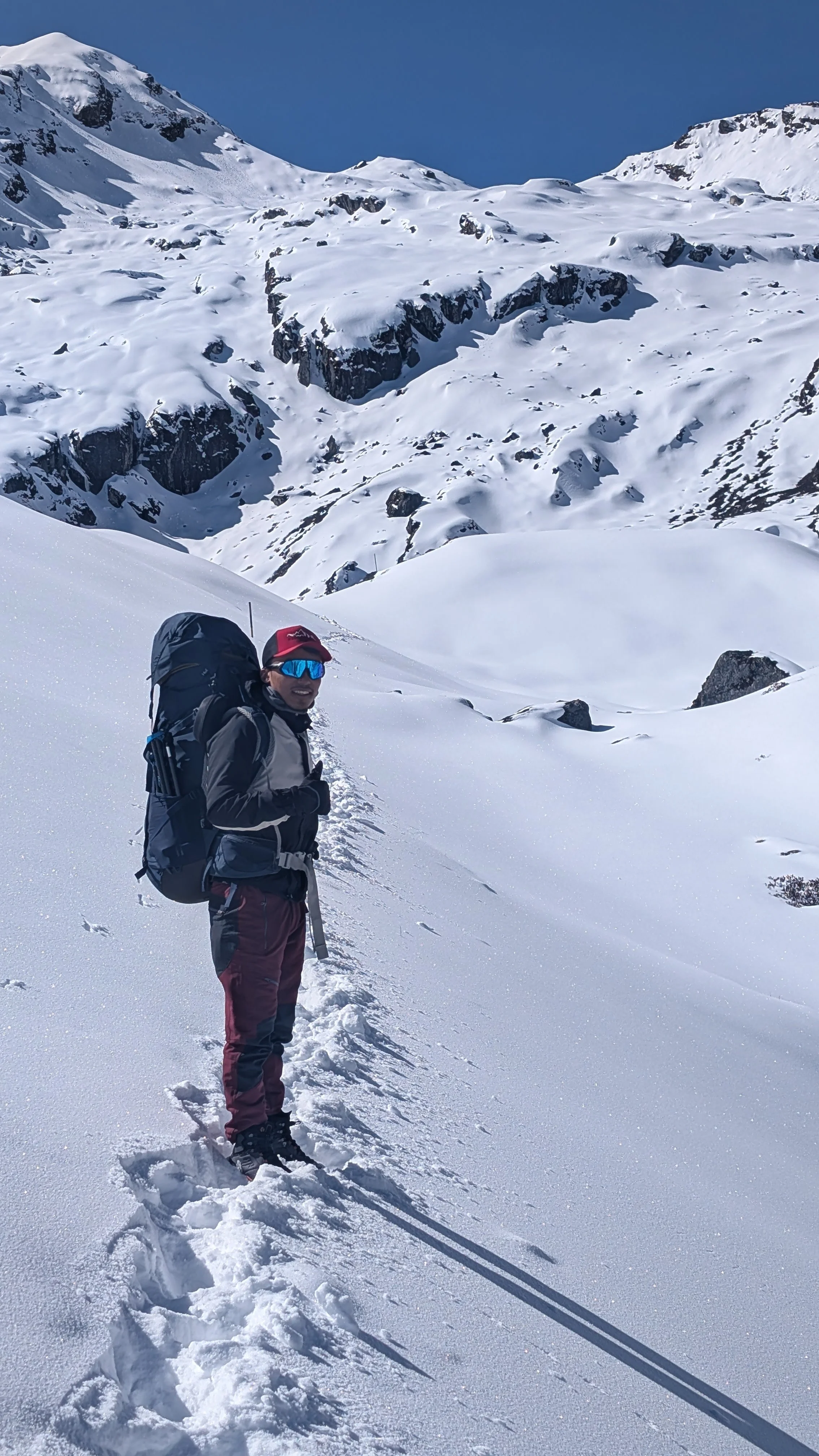
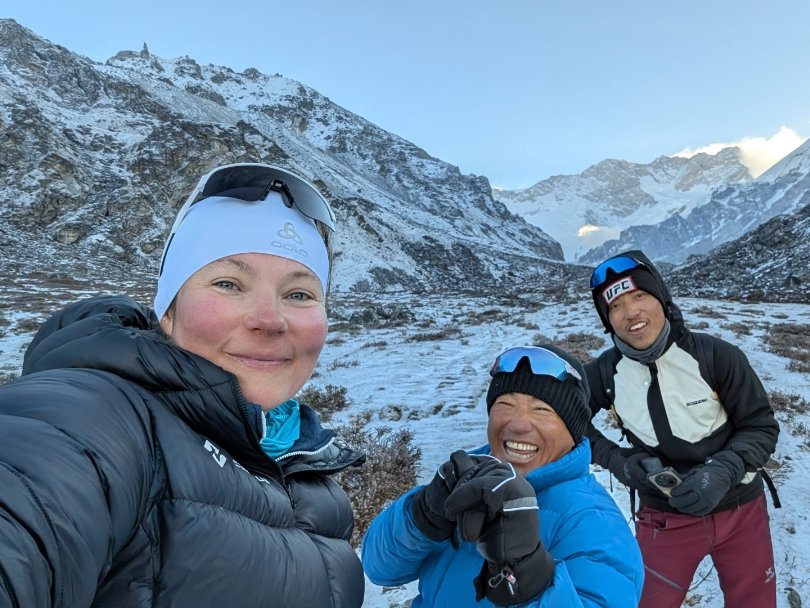
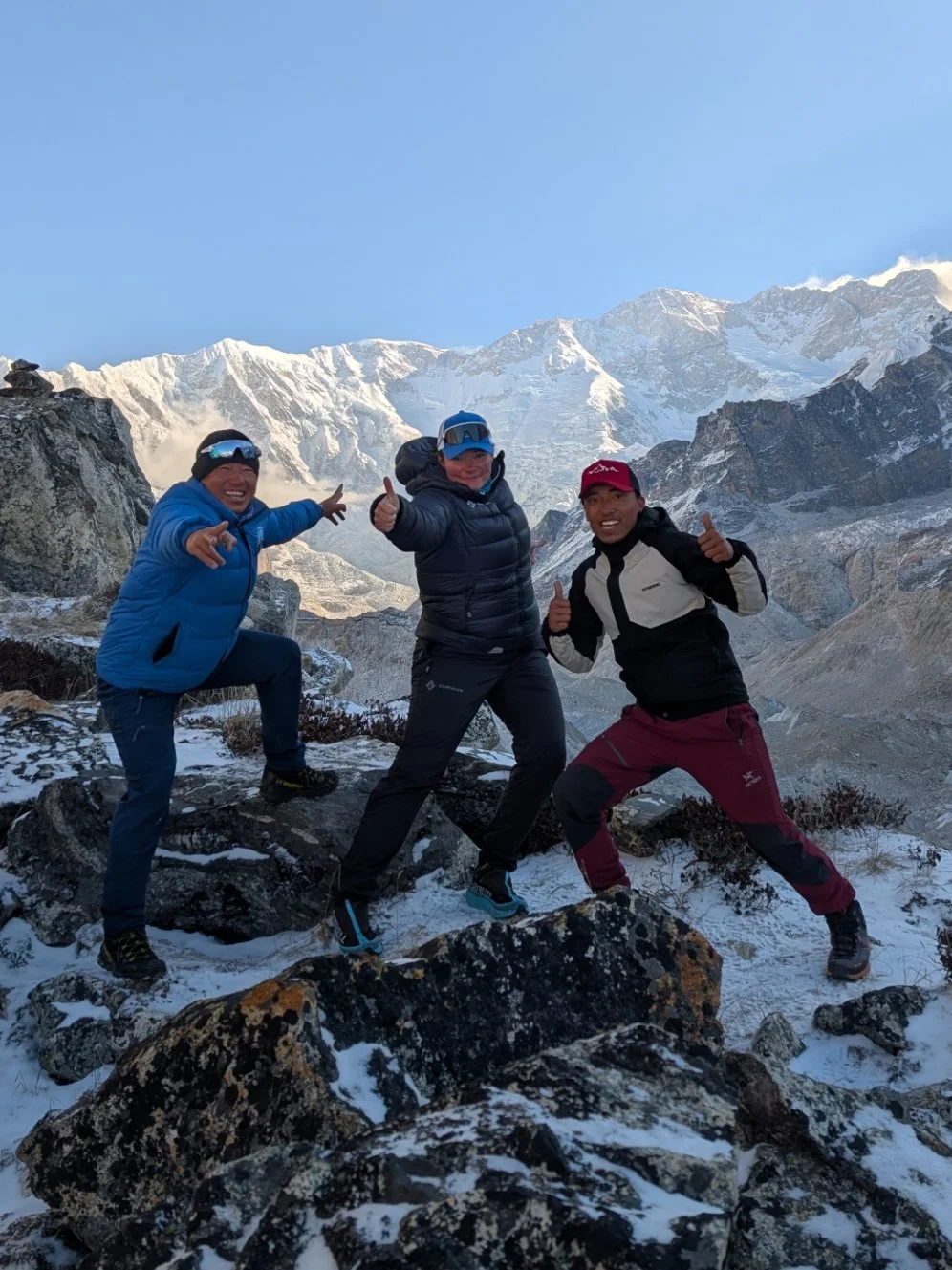
My trek started on March 30th, 2026 and lasted 21 days. I went only with a guide, Laxman Moktan, and a porter/assistant guide, Prashant Tamang.
Kanchenjunga is expensive, but not in a “luxury tourism” way.
A significant part of the cost comes from the remoteness of the region: flights, jeep transport, permits, and the logistics required to move people and supplies through areas far from major infrastructure. But another large part of my budget came from a conscious decision NOT to minimize costs on the human side of the trek.
The total budget included:
international flights and insurance,
domestic flights and jeep transport,
visa and permits,
guide and porter support,
food and lodging during the trek,
tips and additional support,
and all the small expenses that slowly accumulate over three weeks in the mountains.
2. Choosing the agency
Before buying a flight or packing a backpack, I needed to decide who would help make this trek possible.
The agency package included:
restricted-area and conservation permits,
domestic flights between Kathmandu and Bhadrapur for me, the guide, and porter,
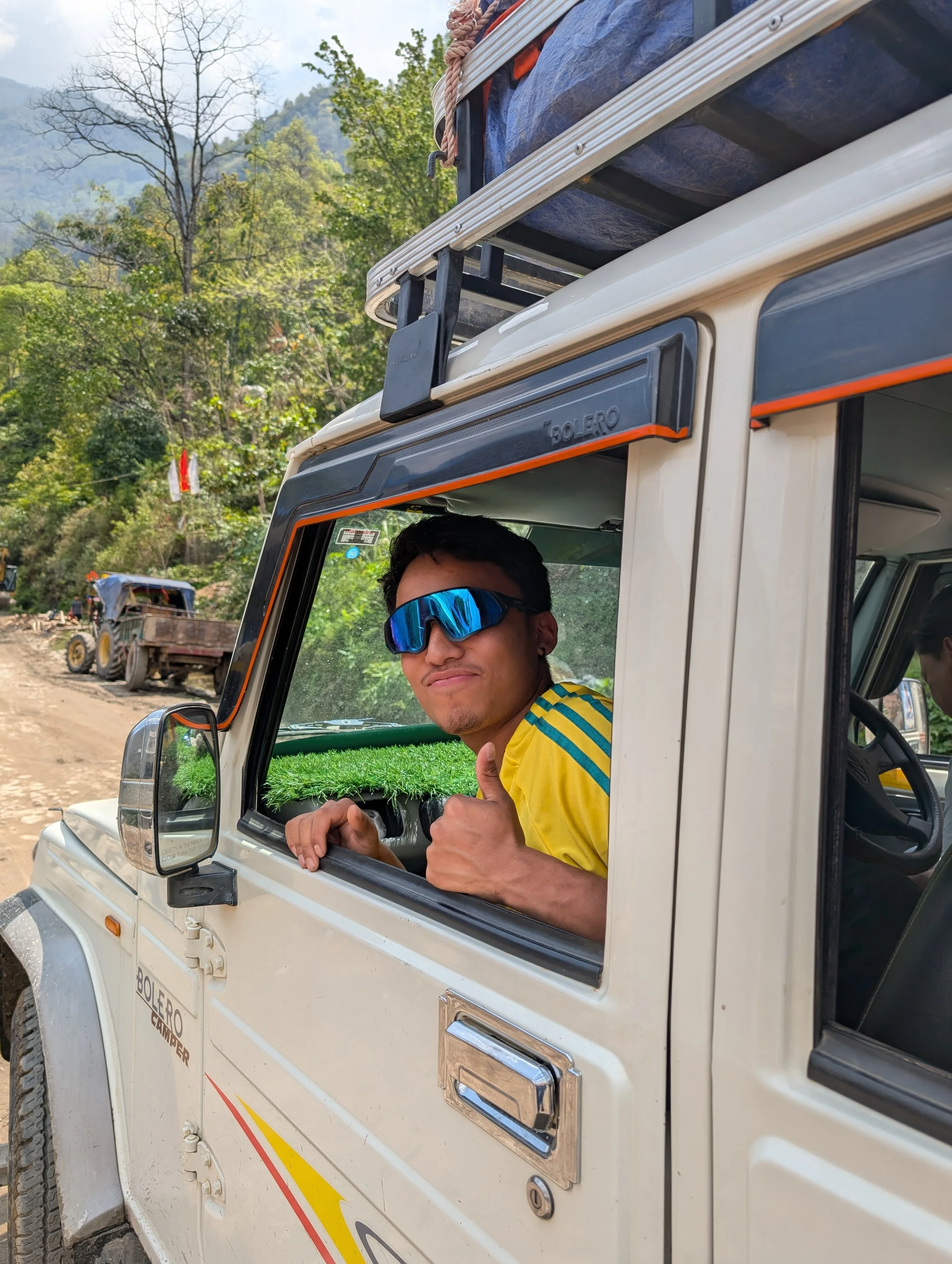
four days of jeep transport,
guide and porter support and insurance,
lodging and food during the trek,
and agency coordination.
At first, that sounds expensive. But when comparing trekking agencies, I think the important question is not only what is included, but also why one offer is significantly cheaper than another.
Many costs are already relatively fixed. Permits cost the same. Fuel costs the same. Jeeps, flights, food, and basic lodges do not suddenly become cheap.
So when one trek becomes dramatically cheaper than another, the difference often comes from somewhere less visible: wages, insurance, equipment quality, or porter load.
This is why I think it is worth asking agencies a few simple questions before booking: what exactly is included, whether guides and porters are insured, and how the company approaches wages and working conditions.
Total: 3500 USD
3. Preparing for what might go wrong
The best rescue is the one you never need. But in remote mountains, being prepared matters.
In mountain regions, and especially in remote like Kanchenjunga, rescue is difficult and weather dependent. This is why I think proper trekking insurance is one of the most important parts of preparation.
Every serious trekking resource about Nepal recommends insurance covering high-altitude trekking and helicopter evacuation.
Going without insurance is not only risking your own life. In case of emergency, it can also create extremely difficult situations for guides and local teams who suddenly have to organize evacuation without appropriate resources
Because of this, I also feel more secure having an agency behind the trek, not only an independent guide. If something goes wrong, there is at least a structure able to coordinate rescue logistics from Kathmandu.
For this trek, I used:
Global Rescue for search, rescue, and evacuation
AXA Voyage for hospitalization and medical expenses
Both were annual multi-trip plans, and since I used them across three Himalayan trips that year, the effective cost per trek is one-third of the annual price.
Cost:
750 USD/3 treks = 230 USD Global Rescue for one year
300 USD/3 treks = 100 USD Axa for one year
Total: 330 USD
4. The journey before the journey
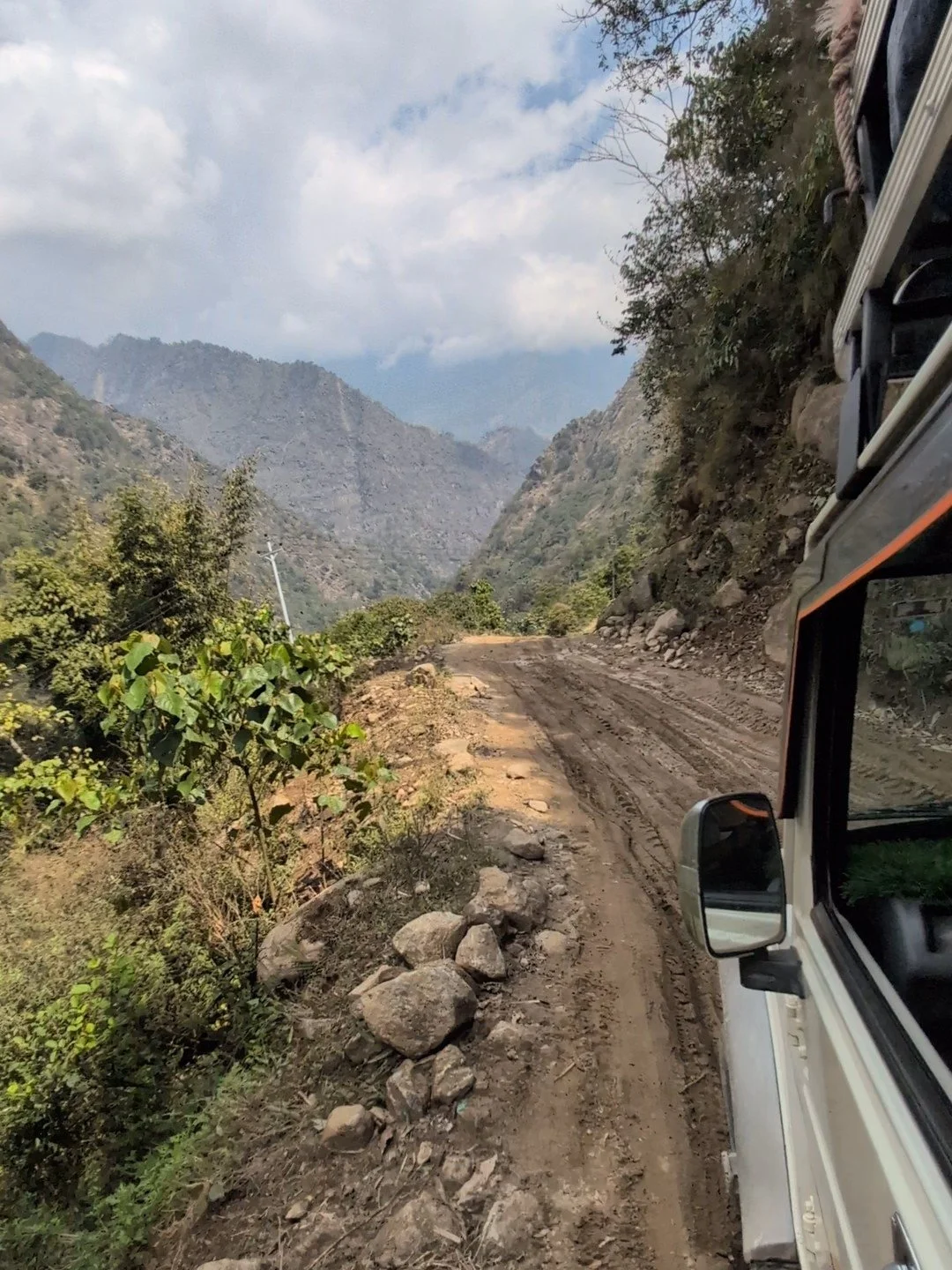
Before the trekking started, there was already a long journey ahead: international flights, domestic flights, and two days on dusty, but beautiful, mountain (off)roads in the eastern Nepal.
Kanchenjunga trek is remote, and simply reaching the trailhead already requires significant transport.
The journey included:
an international flight to Kathmandu
a flight from Kathmandu to Bhadrapur,
long jeep rides toward Taplejung and Sekathum,
and the same return journey after the trek.
Cost:
internal flights and jeet transfer included in the Agency package
1200 EUR + 800 EUR (last minute flight change from Qatar to AirIndia due to the conflict in the middle east
200 USD due to fuel prices increased during the conflict in the middle east
Total: 2200 USD
These costs can vary significantly depending on weather, road conditions, season, fuel prices, and how many people share the vehicle.
This is one reason why Kanchenjunga can feel expensive even before the trekking itself starts.
5. Daily life: food and lodging
Once on the trail, life became surprisingly simple. Walk. Eat. Sleep. Repeat.
Food and lodging during the trek were included in the agency package as a forfait of around 45 USD/day, excluding beverages.
If you have trekked in the Everest region, you know that food prices at altitude can become surprisingly high. Partially because there are no roads to easily transport products, but Everest is also a very commercial trekking area with extensive infrastructure, bakeries, coffee places, and supplies transported partly by helicopters.
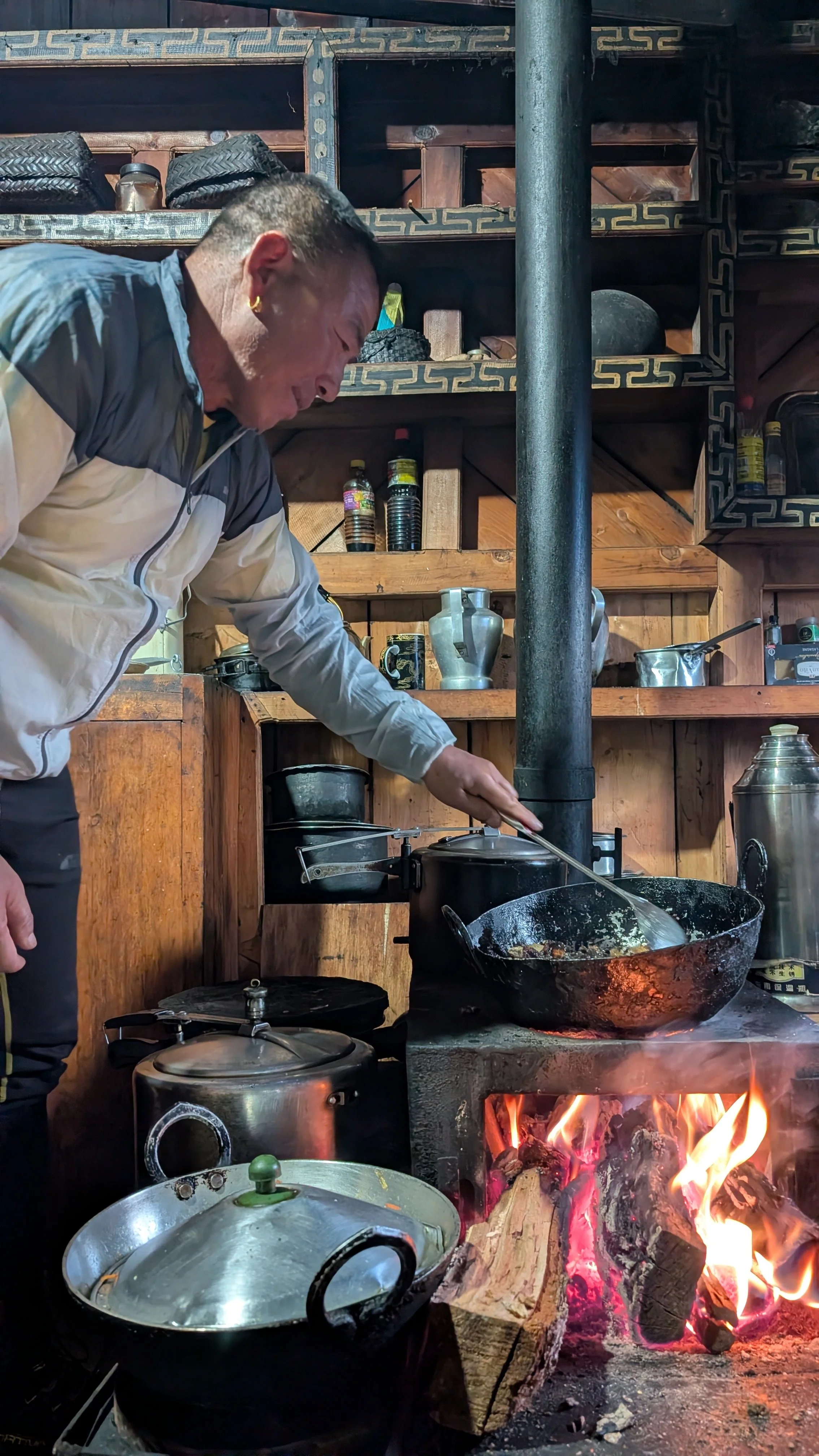
Kanchenjunga is almost the opposite: far fewer choices, little infrastructure, and most products carried manually or by mules through remote mountain trails. In some villages, you simply eat what is available that day.
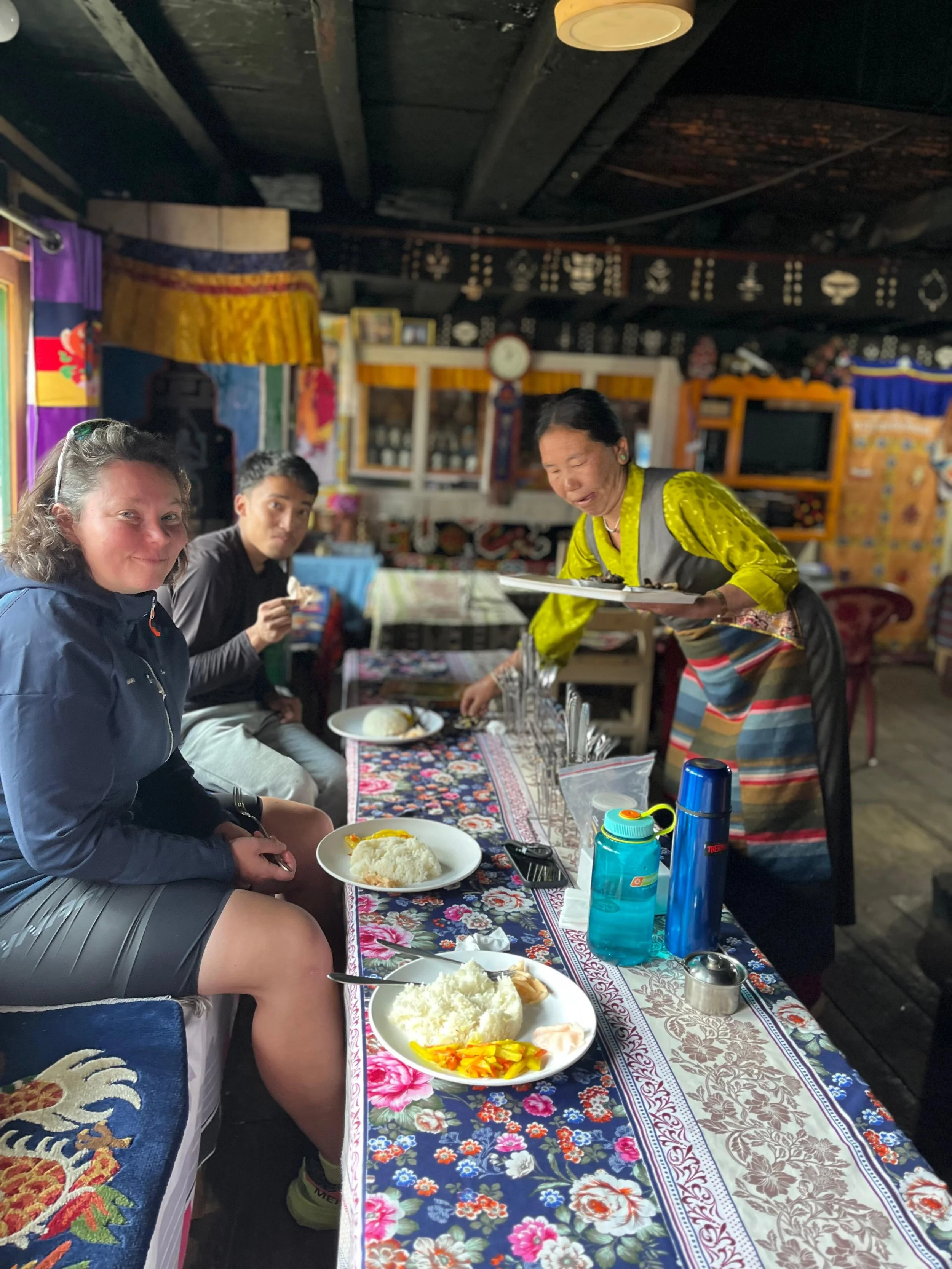
During my treks in Nepal, I mostly eat dhal bhat for lunch and dinner. In the Kanchenjunga region, a vegetarian dhal bhat usually cost around 4–6 USD, and you always get a refill.
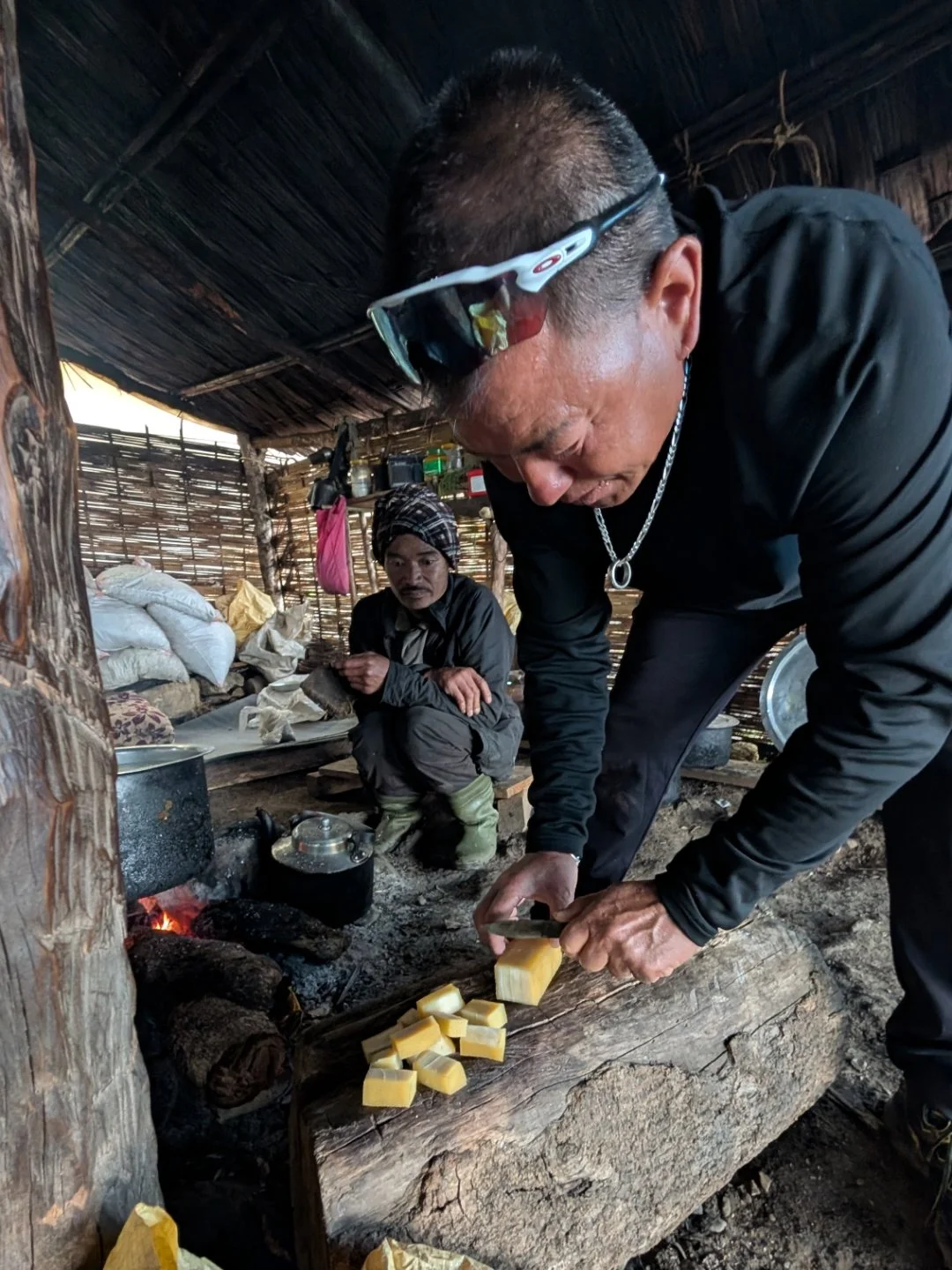
I also regularly paid extra for meat for the three of us, especially when lodges had yak meat available. It was not necessary, but after long days in cold weather, sharing a better meal made the evenings more pleasant and supported local lodges at the same time.
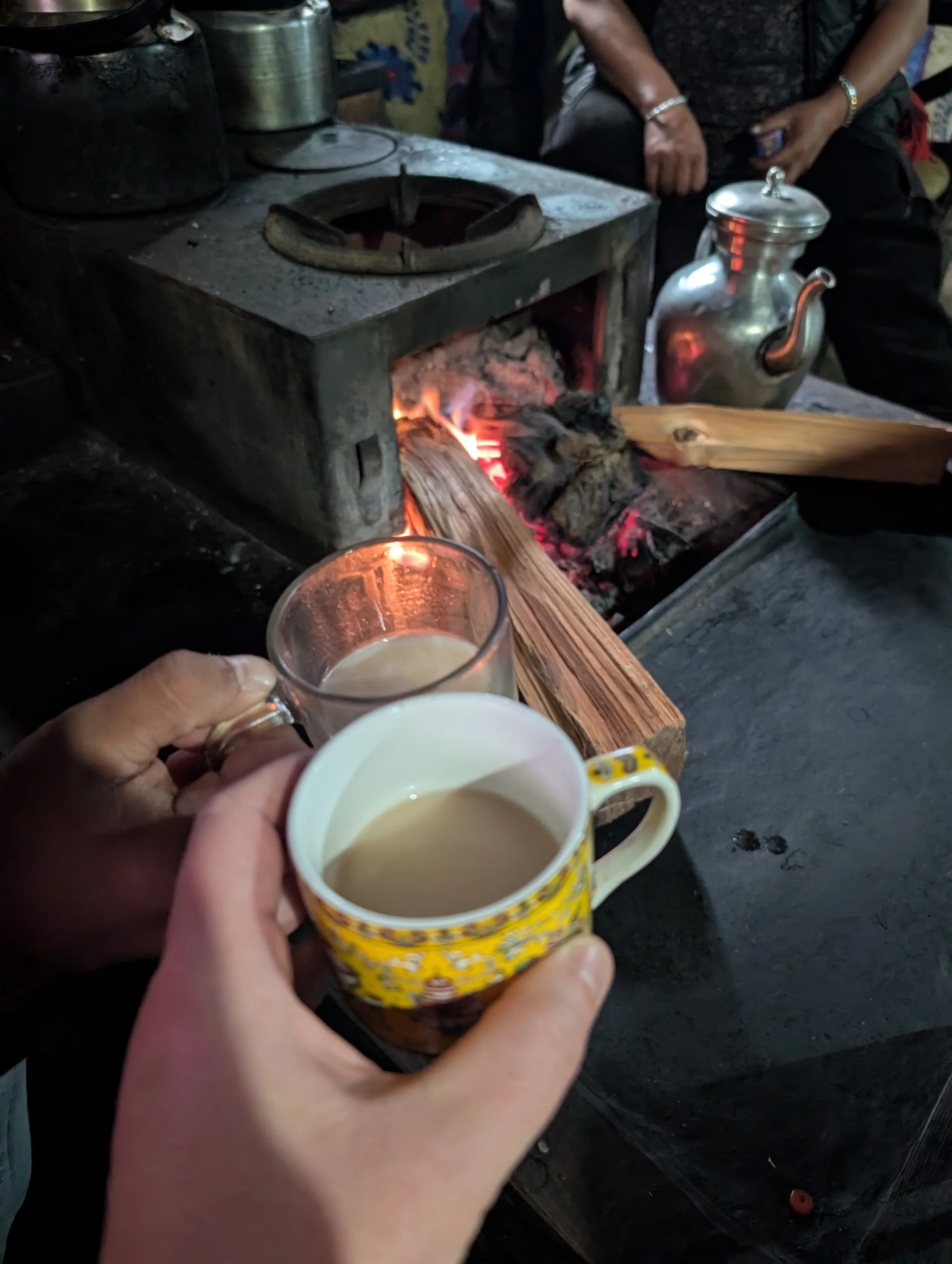
Water is another hidden daily cost during trekking. At altitude, you easily drink around five liters per day between tea, water, soup, and other beverages. In cold conditions, I mostly drank tea. Sometimes, when it was hot, I took a cola.
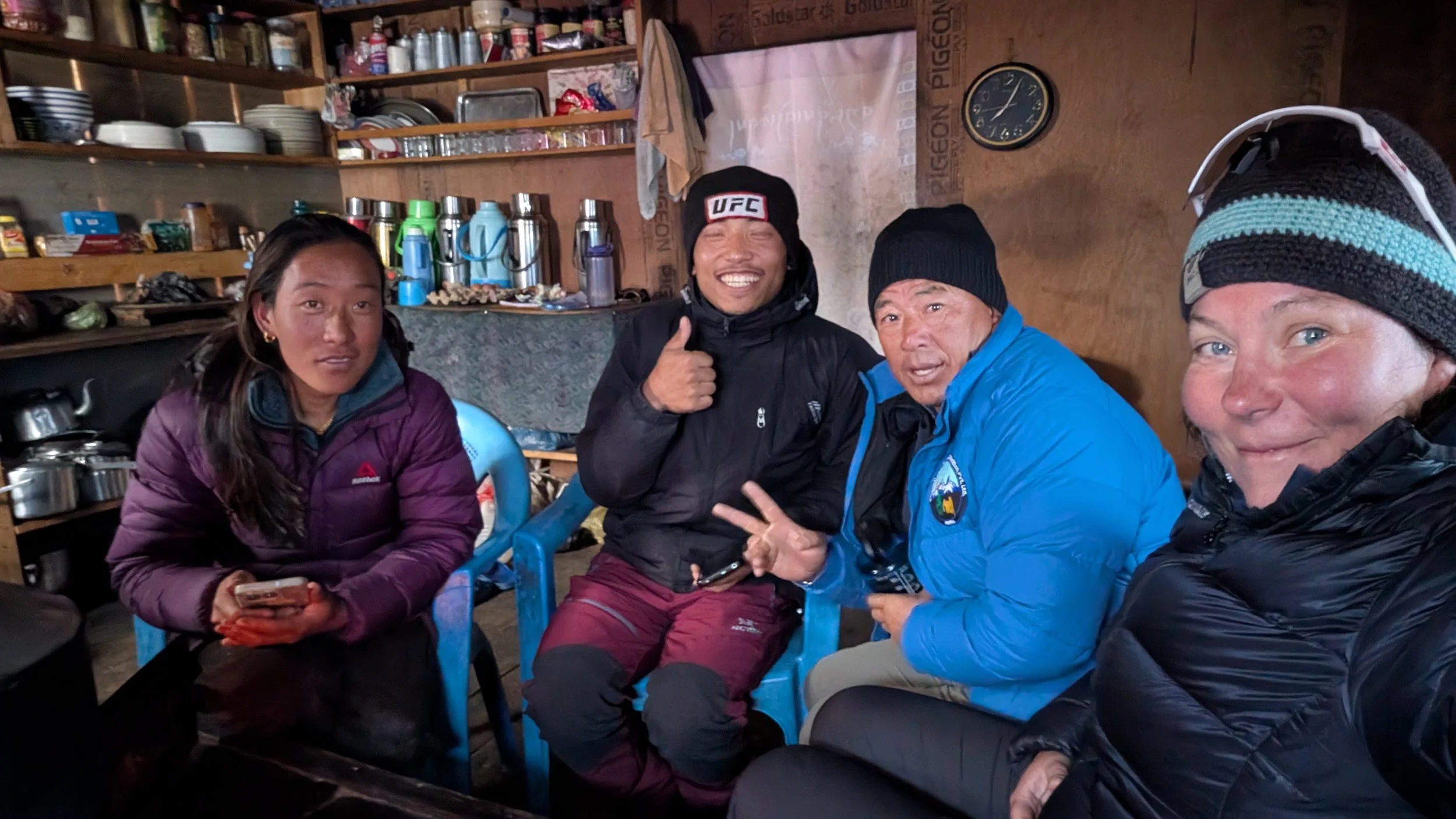
And I always ordered drinks for all three of us. Laxman and Prashant were my team, and when other porters were around, we often invited them for tea as well.
To simplify things, I had an agreement with Laxman: he handled all payments during the trek for beverages, snacks, meat, and small extras. If he needed more money, I simply gave him more. It removed one more thing to think about every evening after long trekking days.
Some choices helped me reduce costs:
using a Steripen instead of buying bottled water,
carrying snacks from home,
limiting paid Wi-Fi,
staying in simple lodges.
At the same time, there were things I consciously did not want to save on: food shared together, tea, or small moments that made difficult days in the mountains warmer and more human.
Cost:
forfait included in the Agency package
600 USD additional food and drink expenses for three people
200 USD dry food and snacks brought from home
Total: 800 USD
I never checked whether we used every dollar from the forfait or the additional 600 USD. If something remained, good. That was simply the price of having one less thing to worry about in the mountains.
6. Saying thank you
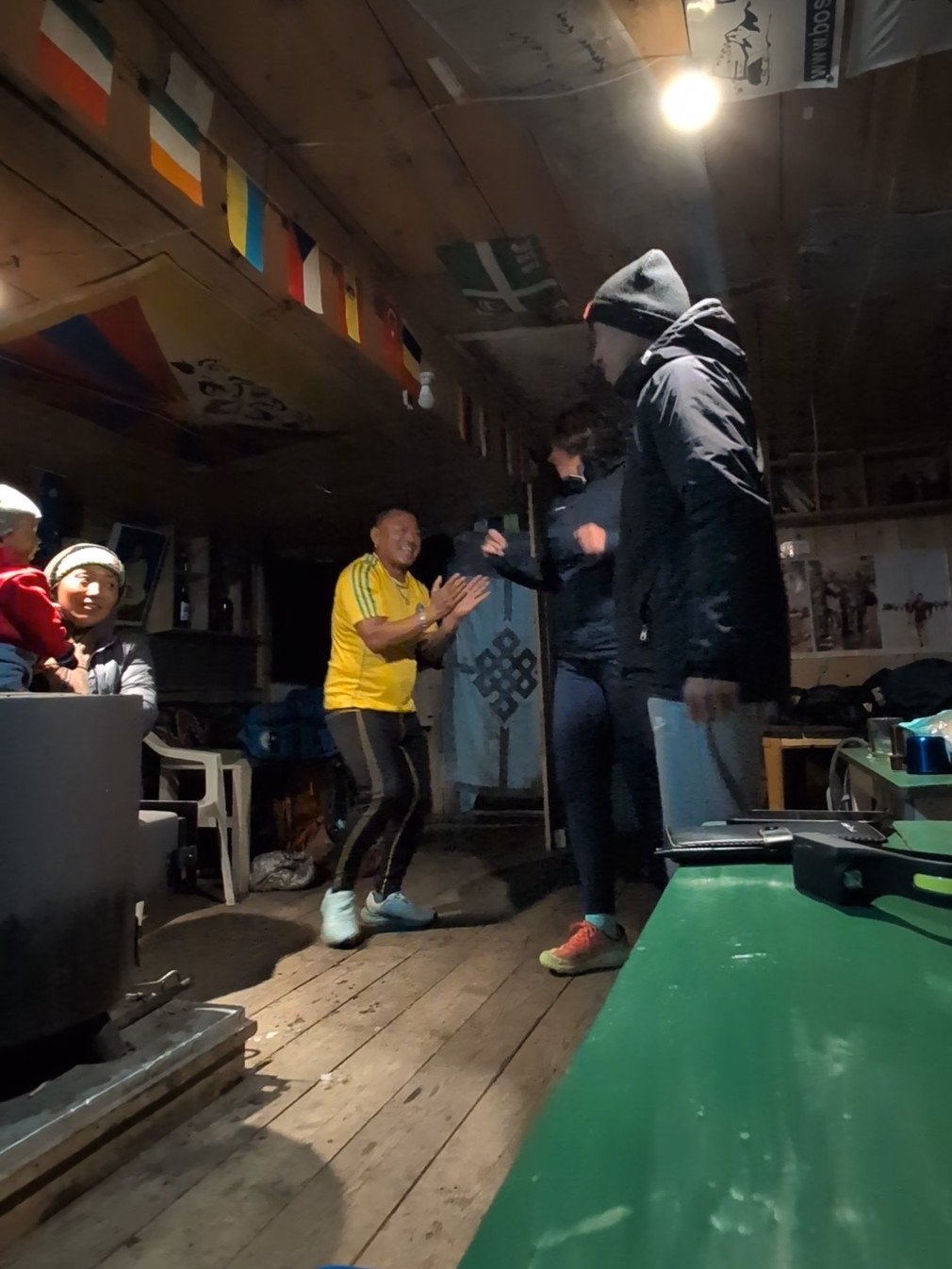
The last evening of a trek is always special. Everyone made it safely. The walking is over. The pressure is gone. It is also the moment when I try to express my gratitude for the people who shared the journey.
During the trek, I started thinking more deeply about how we evaluate fair pay.
The lower cost of trekking in Nepal is part of what makes these trips possible for many people. If trekking in Nepal cost the same as hiring a mountain guide in France, many visitors — including me — would probably stop coming. And if fewer people came, many jobs in tourism would disappear.
At the same time, guides and porters are not living outside the modern world. They support families, pay for education, use smartphones, internet, and imported goods, and often depend on a relatively short trekking season for a large part of their income.
This is why I became uncomfortable looking only at local salary statistics when thinking about what fair compensation means.
For me, fairness is probably somewhere in between those two realities. The lower cost of trekking helps create jobs and opportunities, but I do not think that local salaries alone should determine what someone's work is worth.
Before this trek, I honestly did not ask the agency how much my guide and porter were paid. That was my mistake, and next time I will ask.
In Nepal, guides often receive around 20–50 USD per day from the agency, usually including food and accommodation during the trek. Porters receive less, and their working conditions can sometimes be very difficult.
Because of this, I decided to increase the salary for both the guide and porter beyond the agency arrangement:
porter: agency wage + 30 USD/day
guide: agency wage + 60 USD/day
I also added tips at the end:
porter: 400 USD
guide: 800 USD
These amounts are much higher than the standard trekking tips often suggested online. However, for me, these are not only “tips”, but part of trying to find my own balance between local realities and how I personally valued their work and responsibility during nearly three weeks together.
I also bought additional clothing and new shoes for both the guide and porter and brought medicines and snacks for the three of us during the trek.
I am not saying every trekker should do the same. But I do think we should ask more questions before booking:
How much are guides and porters paid?
Are they insured?
What weight are porters expected to carry?
Does the company provide proper equipment?
Cost:
Salaries: (30+60)/day * 20 days = 1800 USD
Bonuses: 1200 USD
Equipment for porter and guide: 300 USD
Total: 3300 USD
What I came back with
Kanchenjunga is not the cheapest trek in Nepal, and it is not the most comfortable. But it is one of the most powerful experiences if you are looking for silence, remoteness, raw nature, and a less commercial side of the Himalaya.
When I started writing this article, I thought it would simply be a breakdown of where 10,000 USD went. Instead, it made me think more deeply about what we are actually paying for when we travel.
The lower cost of trekking in Nepal creates opportunities for both visitors and local communities. Without that difference, many people would never come, and many tourism jobs would not exist. But I also came away feeling that the cheapest possible price should not be our only measure of value.
Before booking a trek, I think it is worth looking beyond the final number:
Ask what is included.
Ask what is not included.
Ask how much reaches the guide and porter.
Ask about insurance and working conditions.
I do not have a perfect answer to what fair compensation looks like. But after five treks in Nepal, I know that guides and porters are not simply part of the cost of the trip. They are part of the reason the experience is possible in the first place.
Sometimes the cheapest trek is cheap because someone else is paying the real cost.